
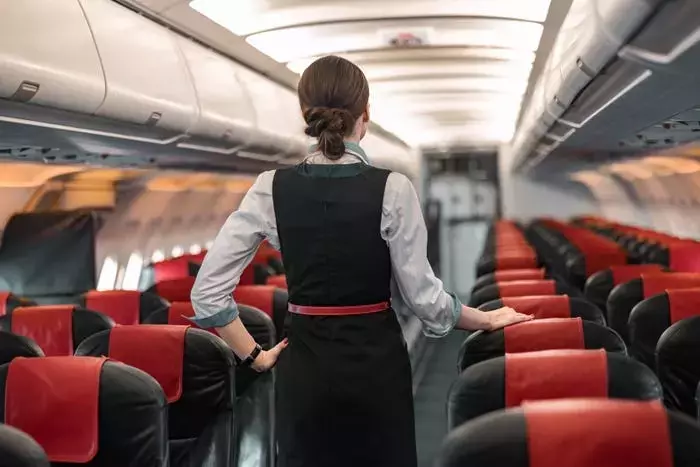
Drawing upon extensive experience in the airline industry, a flight attendant provides crucial insights into common pitfalls travelers often encounter during their journeys. Having traversed the skies on over 250 flights in the past year alone, this expert identifies recurring mistakes ranging from inadequate airport preparation to neglecting personal hygiene on board. The advice aims to equip passengers with the knowledge to navigate airports and flights more smoothly, emphasizing proactive measures for a stress-free travel experience. By addressing these prevalent oversights, the guide helps travelers avoid unnecessary complications and ensures a more comfortable and enjoyable trip.
One of the most frequent errors observed by the flight attendant is passengers arriving too late at the airport. It's a common misconception that one can cut it close, but unforeseen circumstances like heavy traffic, long security lines, or last-minute gate changes can quickly turn a tight schedule into a missed flight. For domestic flights, arriving two hours beforehand is recommended, extending to three hours for international travel. This buffer allows for unexpected delays and provides ample time to check in, clear security, and locate the correct gate. The gate closing typically happens 15 minutes before the scheduled departure, and once those doors are shut, there's no turning back for latecomers.
Another critical piece of advice concerns alcohol consumption at airport bars. While a pre-flight drink can be appealing, excessive indulgence poses a significant risk. Federal Aviation Administration (FAA) regulations strictly prohibit intoxicated individuals from boarding an aircraft. This rule is in place for safety reasons, as impaired passengers may struggle to follow crew instructions, especially during emergencies, and could potentially become disruptive. Flight attendants are mandated to report any signs of intoxication, which can lead to removal from the flight by a specially trained Complaint Resolution Official (CRO). This is cited as the primary reason for passengers being denied boarding on flights.
Furthermore, travelers are cautioned against leaving the airport during extended flight delays. Although rare, flights can sometimes revert from a delayed status to an on-time departure due to various operational adjustments, such as finding a substitute aircraft or crew, or an unexpected improvement in weather conditions. Leaving the vicinity of the airport, even if your flight is significantly delayed, means you risk missing these sudden changes and being left behind when the flight eventually departs.
Securing a seat in advance is also highlighted as a crucial step. Without prior seat selection, passengers, especially those traveling in groups or with children, are not guaranteed to sit together, even if booked under the same reservation. Additionally, those who don't choose a seat beforehand are often left with less desirable options, such as middle seats. For passengers with tight connections, selecting a seat closer to the front of the plane can save valuable time. While some airlines offer free seat selection, others charge a fee, which the flight attendant believes is a worthwhile investment for comfort and convenience.
Lastly, the importance of personal sanitation on planes is underscored. Cleaning procedures between flights can be minimal, often limited to removing visible trash and a quick vacuum. Given the varied uses of tray tables—from serving meals to holding dirty diapers—bringing personal disinfecting wipes is strongly advised. This ensures that your immediate seating area is as clean as possible, offering peace of mind and protection against germs.
To summarize, a career in aviation offers a unique perspective on optimizing the travel experience. By preparing adequately, exercising moderation, staying vigilant, planning seating, and practicing good hygiene, travelers can significantly enhance their journey. These recommendations, gleaned from countless hours in the air, serve as a practical guide for avoiding common pitfalls and fostering a more pleasant trip for everyone.