
Navigating Economic Headwinds: Prudence, Preparedness, and the Imperative of Independence
Federal Reserve's Stance on Inflation Management
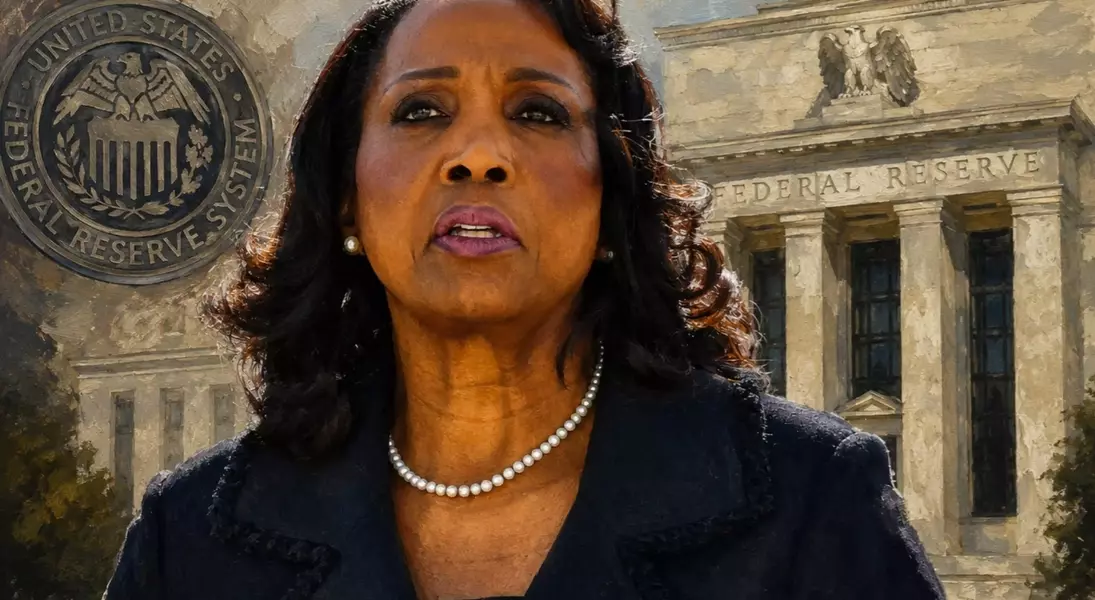
During a recent address, Federal Reserve Governor Lisa Cook articulated a measured approach to current inflationary trends. She indicated that while there is merit in allowing more time for inflation to naturally subside, the institution remains poised to implement decisive actions should price increases fail to decelerate as anticipated. This dual perspective underscores a strategy of patient observation coupled with a readiness for intervention.
Evolving Economic Risks and Persistent Price Pressures
Cook highlighted a notable shift in the landscape of economic risks since the previous summer. The primary concern has transitioned from labor market dynamics to the potential for sustained inflationary pressures. Factors contributing to this ongoing risk include the impact of tariffs, the complexities arising from the Middle East conflict, and significant investments in artificial intelligence. Despite these potential headwinds, the overall balance of risks appears to be stable, suggesting a controlled environment but one that requires vigilant monitoring.
Anchoring Inflation Expectations Through Sound Policy
The Federal Reserve Governor emphasized that while there are indications that disinflationary trends may continue, the stability of inflation expectations is not guaranteed. She stressed that maintaining these expectations firmly grounded is contingent upon the implementation of appropriate monetary policies. This serves as a critical reminder that policymakers must remain acutely focused on their mandate, ensuring that their actions reinforce public confidence in price stability.
Reflecting on the Significance of the Supreme Court Ruling
The discussion also touched upon a pivotal Supreme Court decision concerning Governor Cook's position. This ruling, which affirmed her right to remain on the Federal Reserve Board despite attempts to remove her, was presented as a reinforcement of the institution's independence. The Court's emphasis on the statutory process for removal, requiring due notice and an opportunity to respond, underscored the unique constitutional and statutory standing of the Federal Reserve in safeguarding monetary policy from political interference.
Upholding the Central Bank's Autonomy
The Supreme Court's decision was broadly interpreted by market observers as a validation of the long-held principle that monetary policy formulation should be insulated from direct political influence. Had the executive branch been granted the authority to remove a Fed governor without adhering to established legal procedures or without demonstrating proper cause, it could have triggered widespread apprehension regarding the central bank's autonomy and its capacity to determine interest rates impartially.
Current Policy Outlook and Future Considerations
In her further remarks, Governor Cook reiterated her commitment to fulfilling her responsibilities based on empirical data rather than political considerations, particularly in the aftermath of the Supreme Court's reaffirmation of Fed independence. She underscored that the effectiveness of the Federal Reserve's work is intrinsically linked to its autonomy. Additionally, Cook noted the significant opportunities that AI tools present for small businesses, making investments in this sector more accessible. Regarding the current monetary policy, she described it as mildly restrictive, suggesting that the Federal Open Market Committee (FOMC) has the flexibility to gather more data before making further adjustments, cautioning against overreacting to single-month economic indicators like CPI and PPI.