
After an extensive period of anticipation and numerous postponements spanning almost seven years, Boeing's 737 MAX 10 has finally secured its certification from the Federal Aviation Administration (FAA). This pivotal approval is set to unleash a substantial backlog of nearly 1,500 aircraft orders, constituting roughly 30% of the total 737 family commitments. This long-awaited clearance is not only a monumental milestone for Boeing but also a crucial step towards bolstering its financial health, particularly in enhancing cash flow as the company prepares to fulfill orders for its largest single-aisle jet variant.
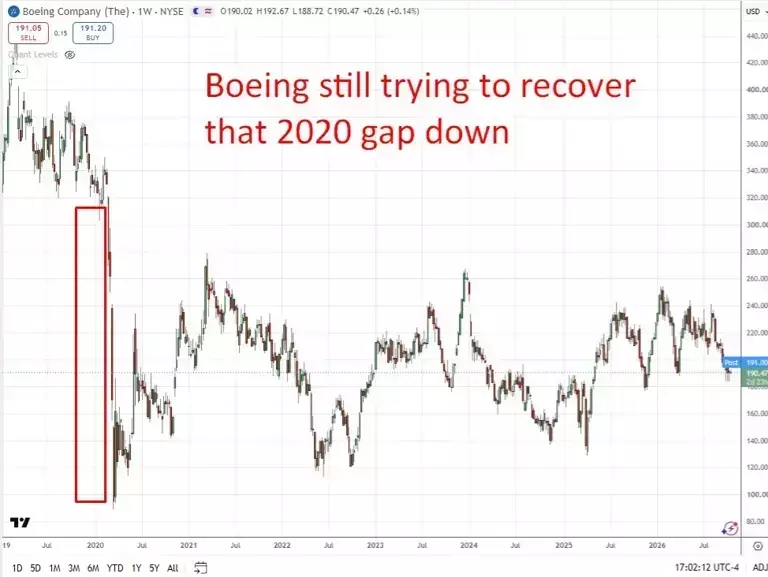
The journey to certification for the 737 MAX 10 has been arduous, marked by a series of setbacks. Initially, the aircraft was slated to commence service in 2020, following its rollout in November 2019. However, its trajectory was significantly altered by the global grounding of the MAX fleet between 2019 and 2020, triggered by two catastrophic accidents. This period led to intensified scrutiny from the FAA and a tightening of certification standards, impacting the MAX 10's progress. Further complications arose from a identified flaw in the engine anti-ice system in 2023, which necessitated additional modifications to prevent engine inlet overheating. Even in the final stages, a software anomaly emerged in late September, briefly pausing the approval process and causing Boeing's stock to dip by nearly 7%. Despite these challenges, the FAA ultimately permitted the certification to proceed, with Boeing committing to a permanent software update.
The financial implications of this certification are substantial. Boeing has been holding dozens of completed yet undelivered MAX 7 and MAX 10 jets in its inventory. The ability to now deliver these aircraft is expected to significantly improve the company's cash generation over the coming year. Investors are keenly awaiting Boeing's third-quarter results, scheduled for October 27, for updates on the delivery timeline and any revisions to cash flow projections. United Airlines stands as the largest customer for the MAX 10, with 167 firm orders, followed by Alaska Airlines with 105. Other significant buyers include Ryanair, Delta Air Lines, and American Airlines. With a capacity of 185 to 230 passengers and a range of approximately 3,100 nautical miles, the MAX 10 is poised to directly compete with Airbus's A321neo, setting the stage for renewed rivalry in the single-aisle aircraft market.
In anticipation of increased demand and deliveries, Boeing is also expanding its production capabilities. A new 737 production line was inaugurated in Everett in July, complementing the existing output in Renton. The company aims to ramp up its 737 production rate from 42 to 47 aircraft per month, with further increases planned, provided the new Everett line receives its own production certification from the FAA. This strategic expansion underscores Boeing's commitment to overcoming past hurdles and capitalizing on the newly unlocked orders, marking a critical turning point for the aviation giant.
This recent FAA certification for the 737 MAX 10 represents a major breakthrough for Boeing, effectively resolving one of the most persistent issues clouding its operational and financial outlook. The clearance of nearly 1,500 orders and the subsequent commencement of deliveries are anticipated to provide a significant boost to the company's cash flow. Furthermore, this development re-establishes Boeing's competitive stance against Airbus in the thriving single-aisle market, suggesting a period of intense competition and potentially, a robust recovery for the American aerospace manufacturer.