
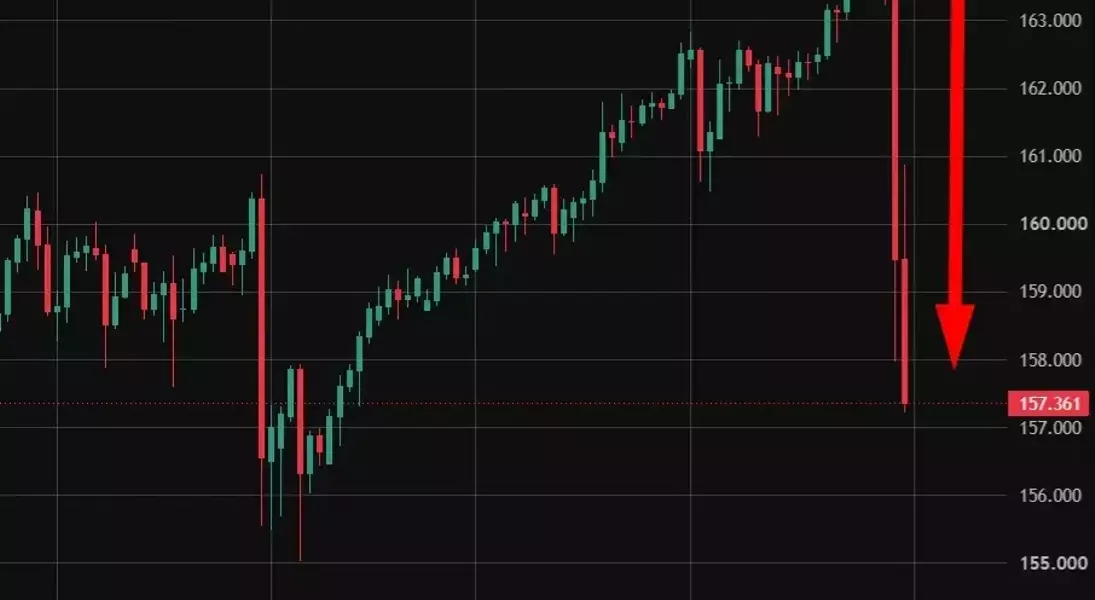
In a significant move to address the yen's precipitous decline, Japan and the United States have reportedly engaged in a joint currency intervention. This marks the first such collaborative action in over a decade, signaling a concerted effort to prop up the Japanese currency against the dollar. Coupled with the Bank of Japan's imminent consideration of an interest rate increase, these measures aim to stabilize the yen and mitigate the wider economic repercussions of its sustained weakness.
The coordinated currency intervention is set to be confirmed by Japan's Finance Minister, Satsuki Katayama, on Monday, following reports from sources close to the matter. This decisive action, the first of its kind since 2011, seeks to arrest the yen's depreciation, which has seen it reach its lowest point against the US dollar in four decades. The scale of this intervention is substantial, with data from the Bank of Japan indicating sales of nearly billion to support the yen, reflecting a determined stance to reinforce the currency's value.
Further underscoring the collaborative approach, the US Treasury Department reportedly instructed banks on Friday to be prepared for future market actions. This preemptive warning, along with indications from Treasury Secretary Scott Bessent regarding potential yen purchases, highlights the mutual concern shared by both nations regarding currency stability. The joint initiative is not merely a short-term fix but a strategic effort to introduce greater stability into the currency markets, potentially leading to sustained fluctuations around the USD/JPY pair as authorities assess the longevity of the yen's recovery.
Beyond direct intervention, the Bank of Japan's signals of a forthcoming interest rate hike add another layer to this multifaceted strategy. By adjusting monetary policy, the BOJ aims to narrow the interest rate differential that has largely contributed to the dollar's strength and the yen's weakness. This convergence of intervention and monetary policy adjustments suggests a comprehensive approach to managing currency dynamics, particularly in light of shared concerns over rising US Treasury yields and potential inflationary pressures in both economies.
This joint effort between Tokyo and Washington, combining currency intervention with prospective monetary tightening, represents a critical juncture in global financial markets. The objective is to establish a more robust foundation for the yen, thereby alleviating pressures on Japanese assets and potentially influencing the broader stability of international debt markets. The success of these coordinated actions will be closely observed as the market navigates the immediate aftermath and anticipates further policy developments.