
Economic Leverage: A New Chapter in US-Iran Relations
America's Evolving Stance on Iran Conflict
The geopolitical landscape surrounding Iran appears to be transitioning, with the United States seemingly favoring economic attrition over military engagement. Recent remarks from President Trump suggest a calculated move to intensify financial strain on Iran, aiming to bring them to the negotiation table through sustained pressure.
President Trump's 'Low-Key' Approach Unveiled
During a recent interview, President Trump articulated a 'low-key' strategy regarding Iran. He emphasized allowing economic sanctions and blockades to naturally escalate Iran's domestic inflation and financial difficulties. This approach sidelines direct military strikes, opting instead for a gradual, economically driven resolution, amidst differing reports on the status of US-Iran negotiations.
The Illusion of Diplomacy: Previous Claims Debunked
Previous assertions by unnamed officials, including speculation about a 'deal' brokered through Oman, are now being re-evaluated as potentially unfounded. President Trump's current statements clarify a departure from such diplomatic overtures, confirming that the primary tool remains economic coercion, not immediate negotiation or military force.
Dual Pressures: US and Iran's Strategic Positions
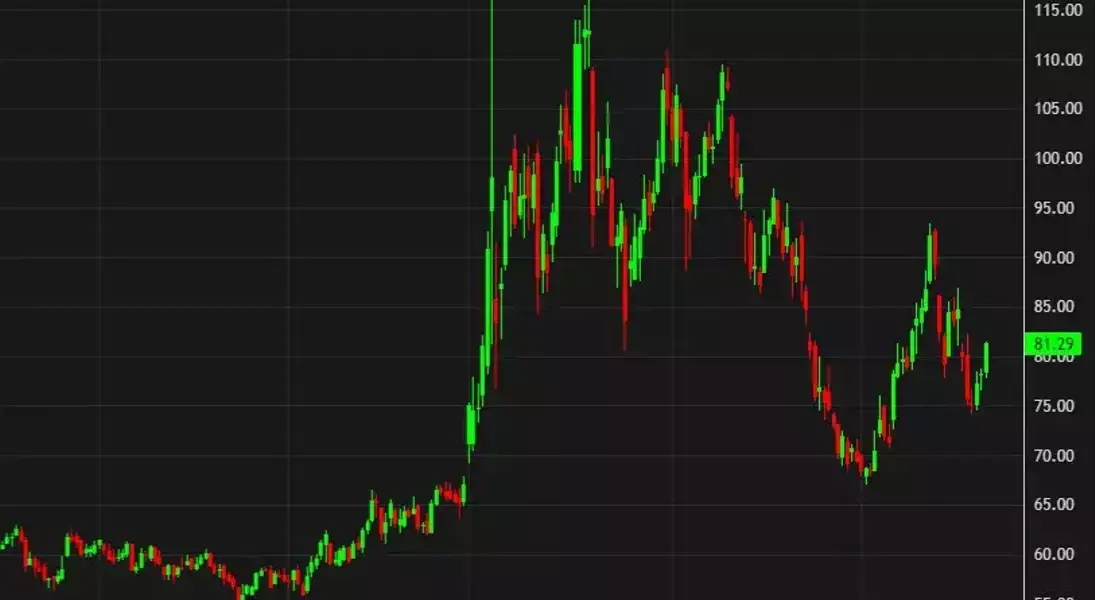
This renewed strategy presents a dual challenge. The US seeks to compel Iran into talks or economic collapse through persistent financial squeeze. Conversely, Iran's potential counter-leverage could involve influencing global oil prices, impacting international economic stability. Current market trends, indicated by a significant rise in WTI crude oil prices, suggest a sensitive balance in this economic standoff.
Future Outlook for Oil Markets and US Policy
While political dynamics are inherently unpredictable, especially concerning President Trump's policy shifts, observers note that a substantial increase in oil prices, possibly reaching the mid-s, might be a critical threshold for re-evaluating the current US strategy. This indicates the volatile interplay between international policy, market reactions, and economic outcomes.