
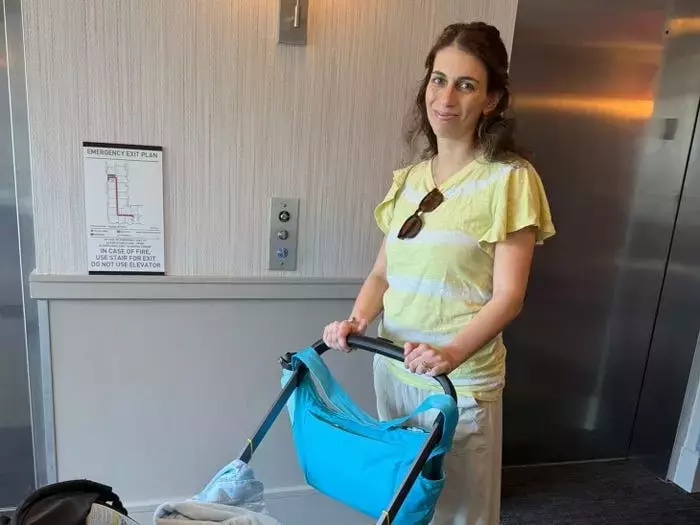
This article delves into a personal account of a mother's efforts to break free from the pervasive influence of Amazon, a journey that initially spanned an impressive 449 days. Her commitment to conscious consumerism was driven by concerns about excessive consumption and the environmental impact of her purchasing habits. However, the arrival of her third child, alongside her existing twin toddlers, presented an unforeseen challenge, ultimately drawing her back to the platform's unparalleled convenience. Despite this return, the author is now employing a more strategic approach to online shopping, integrating lessons learned from her period of abstinence, such as seeking secondhand options and leveraging community resources. This narrative offers a relatable exploration of the ongoing struggle to balance modern convenience with personal values, particularly within the demanding context of new parenthood.
The author’s story underscores the powerful allure of frictionless online shopping, particularly the “1-Click checkout” feature, which can bypass critical thought processes typically involved in purchasing decisions. This ease of access often leads to a cycle of continuous buying, contributing to a consumer culture that many find unsustainable. The article highlights the mental recalibration that occurred during her time away from Amazon, allowing for more deliberate and questioned purchases. Upon her return, necessitated by the immediate and specific needs of a newborn, she has consciously chosen to adopt more mindful strategies, emphasizing the importance of distinguishing between genuine needs and fleeting desires. This shift reflects a broader societal trend towards more thoughtful consumption, even when faced with the undeniable pressures of modern life and family responsibilities.
The Pull of Instant Gratification and the Return to Amazon
The author initially found herself entangled in a web of incessant consumerism, frequently purchasing a wide array of items from Amazon. This habitual buying, fueled by the platform’s seamless “1-Click checkout” system, led to a disconnect from the conscious thought processes typically associated with in-store shopping. The convenience of free shipping, stored payment information, endless inventory, and a highly persuasive algorithm transformed shopping into an effortless, almost automatic action. This frictionless experience cultivated a cycle where one purchase inevitably led to another, contributing to a sense of discomfort with her own consumption patterns and the environmental footprint she was leaving. Consequently, a deep-seated desire emerged to disengage from this continuous cycle and align her actions with her personal values, prompting her to initiate a significant break from Amazon.
This initial period of abstinence, spanning 449 days, was a conscious effort to resist the pervasive influence of Amazon, driven by a growing unease with unchecked consumerism and the company's operational ethos. The author observed that the very ease of online purchasing had diminished her decision-making friction, leading to impulsive acquisitions. Her decision to pause her Amazon usage was an intentional step to reintroduce a degree of deliberation into her shopping habits. By doing so, she aimed to reclaim agency over her purchases, questioning the necessity of each item and exploring alternatives like borrowing or utilizing existing resources at home. This strategic pause allowed her mental landscape to reconfigure, fostering a more logical and values-driven approach to consumption, reinforcing her commitment to resisting the corporate machine and embracing a more mindful lifestyle.
Embracing Mindful Consumption: Post-Amazon Return Strategies
The arrival of the author's third child, particularly navigating the challenging newborn phase with existing twin toddlers, ultimately necessitated a return to Amazon after a remarkable 449-day hiatus. The specific, immediate needs of an infant, such as specialized bottle nipples not readily available in local stores, underscored the undeniable convenience and necessity of rapid online delivery during moments of extreme parental exhaustion. This practical reality forced a temporary compromise on her previously held consumer principles. However, this return was not a complete surrender but rather an opportunity to integrate the insights gained during her period of abstinence. The author now actively seeks to apply more conscious purchasing strategies, such as consulting with neighbors for shared resources and prioritizing secondhand items, recognizing that many baby necessities can be acquired sustainably rather than always new.
Despite her renewed engagement with Amazon, the author is committed to a more deliberate and thoughtful approach to consumption, striving to model these behaviors for her children. She now actively seeks alternatives before resorting to online purchases, exemplified by her successful acquisition of pureed prunes from a friend and her consistent preference for secondhand baby clothes from local resale shops. This shift not only reduces waste but also fosters a sense of community and resourcefulness. The author emphasizes the importance of pausing before purchasing, distinguishing between genuine needs and fleeting wants, and teaching her children the value of patience and delayed gratification. This ongoing effort reflects a deeper commitment to instilling sustainable values, recognizing that while complete detachment from platforms like Amazon may be challenging, mindful engagement and conscious choices are achievable and crucial for a more responsible future.